

Safety in chronic pain can change the whole texture of a day. It helps your system respond with less urgency and more steadiness.
When symptoms stick around, the nervous system can start treating ordinary sensations as higher stakes than they really are. In that context, safety in chronic pain becomes a practical direction: reducing the threat value your brain assigns to what you feel, so your body has more room to settle.
This article gives you the foundation and language for that shift, organizing safety into movement, emotional, and social pathways so you can focus on clarity first and build steadiness.
The guided practices will be published separately, so the main piece stays focused and easy to return to.

The Light Bulbs and the Elephant
Back in autumn, I found myself in a Mexican restaurant somewhere in the Barrio de las Letras in Madrid. I had been wandering the streets in search of a nice place to eat when I saw a colourful window with hanging plants outside and inviting big light bulbs inside. The chairs also had pillows on, so my decision was easy. I was in pain, so I needed as much comfort as possible.
I went in and a very chatty and gallant Italian invited me to sit and explained what the restaurant was all about. A latina girl with a smile on her face prepared the table for me. Around me there were few tables with individuals lost in their own conversations. The place was full of colours, cultures, and two or three languages, all blending nicely. This must have been the atmosphere in the Parisian exposition back in the Belle Époque, the art being the food and us, the customers, the critics.
I asked for a non-alcoholic beer and some food. The chef, a moustached guy that I still don’t know what nationality was, but who had a glorious tan and a magnificent turn of phrase, revealed whose secrets to me. The patrons were really nice, the food was so delicious that stimulated my brain to develop new neuropaths, and the chairs were so comfortable. Some jazz was playing, and the plants hung outside were gently moving in the wind of this beautiful autumn day. There were maybe some minutes when I felt no discomfort whatsoever. I felt completely safe and taken care of in that space. When I realised I had just shadows of aching when half an hour before I had a flare, I knew viscerally that something shifted for a reason.
I also realised I couldn’t design my life so everything stayed gentle and supportive all the time, even if kind souls and warm light made it easier; so I needed to feel safe beyond that scenario. To reach a point where I could feel secure even in discomfort, while doing things that don’t necessarily soothe me or being in places where nobody is tending to my needs, and still stay steady. I wanted real physiological trust in my body; to have it react less to triggers and to find stability even if it hurt.
I’m still working on it, and to be honest it’s difficult to change beliefs that took my brain a lifetime to imprint. To add fuel to the fire, my body also seems to have the memory of an elephant: it forgets nothing. But I’ll see this through because my biggest need is for safety in all its aspects; I believe it is the core and the path to a lasting recovery, not only brief moments of relief.
Let me take you on a journey to see what security means and why it is fundamental.

What Safety Means in Chronic Pain
Your nervous system is always evaluating the present. It integrates signals from the body, thoughts, your environment, and your relationships, then makes a rapid call: manageable or risky.
With persistent pain, that evaluation can shift toward protection. Ordinary sensations or everyday stressors may trigger stronger responses more easily. This is not a personality trait. It reflects learned prediction and protection patterns that have become quick to activate.
So what does “safety” mean in practical terms? Safety in chronic pain means a larger share of experience is read as manageable, even when symptoms are present. It points to capacity: a steadier internal state, a clearer return toward baseline after activation, and more reliable function in daily life.
In scientific terms, this usually involves three linked processes:
- Threat appraisal (meaning assignment): how the brain labels sensations and situations as dangerous or workable.
- Safety learning (prediction updating): how the brain revises expectations after real outcomes, including recovery.
- Tolerance window (regulation range): how much sensory input, movement, and emotion can be held before escalation.
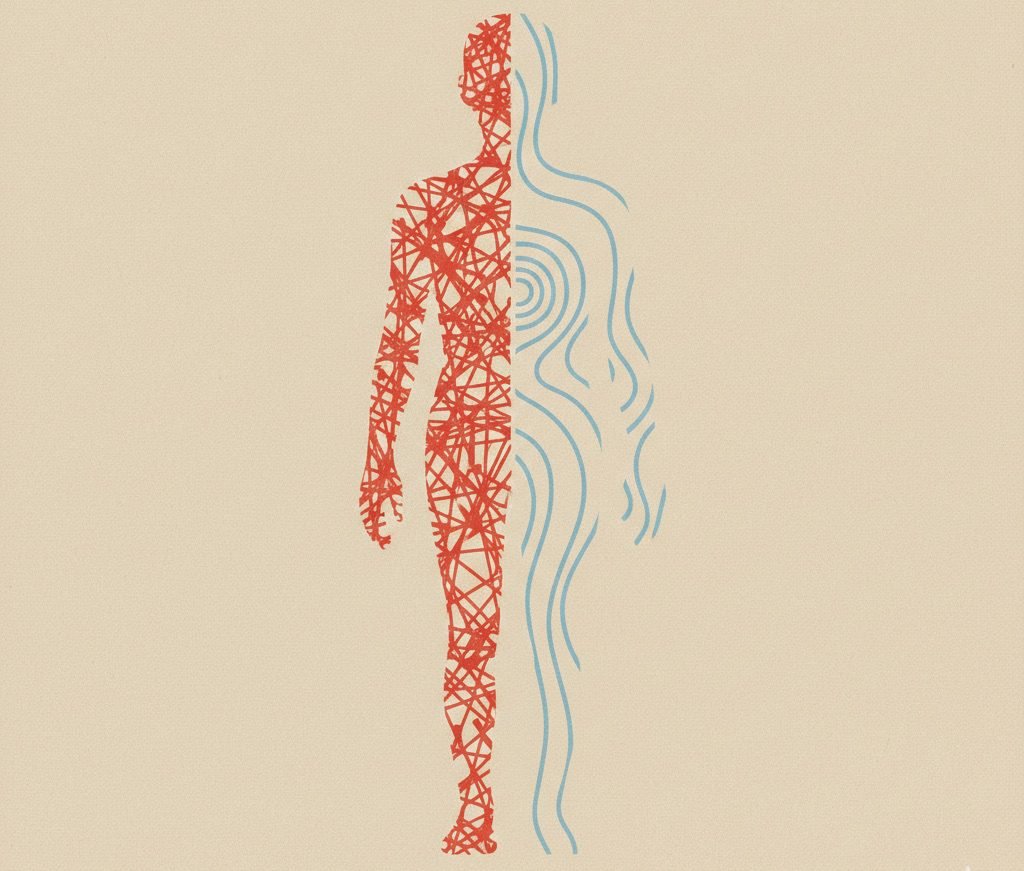
How Safety Changes the Pain Experience
Pain is not only intensity. It is also meaning, and meaning shapes how strongly the nervous system reacts. Modern pain science describes this as threat appraisal: how the brain labels a signal and what it predicts will happen next.
When the brain interprets a sensation as risky, the body often increases its protective output. The body may tighten, movement becomes more cautious, attention narrows toward symptoms, and the stress response stays higher. Over time, this pattern can reduce sleep quality and shrink daily range because the system expects cost.
The response often changes when people interpret the same physical signal as more manageable. There is less urgency, fewer protective reactions, less mental effort spent forecasting the next spike, and a clearer ability to settle afterward. Even when discomfort remains, function can improve because the system is spending less energy on protection.
This is why many current approaches focus on safety in chronic pain through learning mechanisms, not reassurance. The target is safety learning: updating predictions through repeated experiences that end in recovery and workable outcomes, so the system can respond with less intensity.

Anticipation and Expectation
In persistent pain, a lot of suffering happens before anything changes in the body. The mind runs ahead: What if this gets worse? What if I can’t handle it? What if this ruins the day?
In pain science, this is a threat prediction.
Expectation matters because it can assign danger meaning to a sensation before clear information arrives. Protective output often increases: muscle guarding, more monitoring, and a lower threshold for escalation. When symptoms show up, the response can feel like confirmation of the forecast, even if nothing has meaningfully changed. Uncertainty adds load. When the system cannot predict what will happen, attention narrows and checking increases. Planning becomes harder, and ordinary choices can feel like high stakes.
Predictions update through learning. In scientific terms, this is safety learning and extinction: the nervous system revises expectations through repeated outcomes. When experiences end in steadiness and recovery, the brain gets new evidence that “this is manageable,” and threat value can decrease. That is why safety in chronic pain is closely tied to lived practice, not only insight.
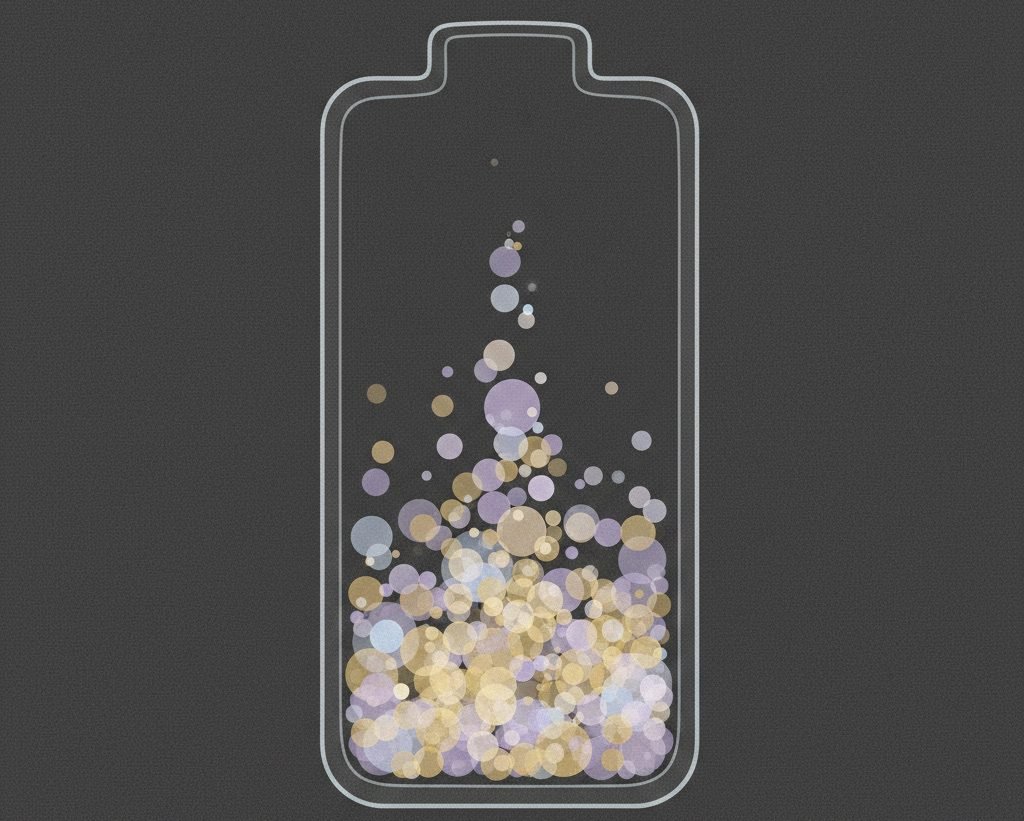
Recovery Capacity: Sleep and Fatigue as Safety Signals
Recovery changes how the nervous system interprets signals. Sleep quality, energy availability, and cognitive load influence threat appraisal and the tolerance window, shaping how strongly the body reacts to sensation, stress, and movement.
When sleep is light, and fatigue is high, capacity often shrinks. The threshold for escalation drops, attention becomes more symptom-focused, and emotional regulation takes more effort. In pain science terms, reduced recovery can increase sensitivity and make protective responses easier to trigger.
As recovery improves, steadiness is usually easier to access. There is more ability to respond instead of react, more room to pace activity, and a clearer return toward baseline after activation. That is why rest is not a side topic in stability work. It is one condition that makes safety in chronic pain easier to build and easier to maintain.
If nights are a consistent trigger, read Why Chronic Pain Gets Worse at Night – What Helps.

Movement safety
What this looks like:
You’re about to leave the house and you see the stairs. The mind runs a quick scan: what if this sets me off? What if I pay for it later? The body tightens before you move.
Now imagine a different version of the same moment: you pause, you choose the simplest way up, you keep the pace steady, and you stop at the landing on purpose. Nothing dramatic happens. You finish with your physiology settled enough to keep going with the day. Movement safety looks like being able to move while the body stays on your side, instead of bracing as if motion is a gamble.
From a pain science perspective, this is threat-safety learning in action. The nervous system updates its predictions based on repeated outcomes. In persistent pain, threat detection can become easier to trigger and safety learning can become harder to access, which is one reason a neutral task can feel risky before you even begin. This is not imagination or weakness. It is how protective learning works when the system has been on high alert.
A structured approach to feared movement
When activity has been paired with symptoms for long enough, the brain often predicts trouble before you even start. That expectation can increase protective responses like tension and hesitation.
Progress comes faster when you rebuild confidence through small, repeatable actions that fit your capacity today. The emphasis is on structure and pacing: you choose the dose, repeat it, and let the system learn from the outcome.
This is the logic behind graded exposure for pain-related fear. It is a practical method based on exposure learning: you approach what feels unsafe in a planned way, with clear limits, so experience can update the prediction of harm. Modern exposure models focus on inhibitory learning, meaning you are building new “this is manageable” learning alongside the old “this is dangerous” learning, instead of waiting for sensations to disappear first.
The goal is safer engagement, not perfect comfort.
Learning through outcomes
Your physiology learns from how things end. If a motion reliably finishes in overwhelm, the system stores it as high-risk. If it finishes in steadiness and recovery, it gets stored as workable. Many people do better when practice ends with stability rather than depletion. That closing experience becomes part of the learning.
This is consistent with conditioning and extinction processes: the brain uses endings to update the expected result next time. Ending a practice in a recoverable state supports safety learning. Ending in a spike can reinforce the prediction that the activity is not manageable, even if nothing structurally dangerous occurred.
Education that reduces threat around activity
Education helps here for a specific reason: it can lower the threat value assigned to movement sensations. When you understand how persistent pain can continue through sensitivity and protection, even when tissues are stable, it becomes easier to move without treating every input as a danger message.
This is the aim of pain neuroscience education: not to talk you into doing more, but to change threat appraisal so movement becomes easier to approach in real life. Good education is careful and practical. It connects to lived experience, avoids blame, and supports gradual re-engagement rather than demanding optimism.
Whole-person support
Movement confidence often grows increasingly consistently when it’s supported from multiple angles: pacing, stress skills, environment adjustments, and care that addresses the full picture. For many people, safety in chronic pain strengthens when they pair activity work with regulation and planning, rather than handling it alone.
This matches what interdisciplinary multimodal pain care tries to do: combine movement work with education, behavioral support, and context changes so the system has more than one pathway into steadiness. The goal is not only more activity, but more reliable recovery and more room to function in daily life.
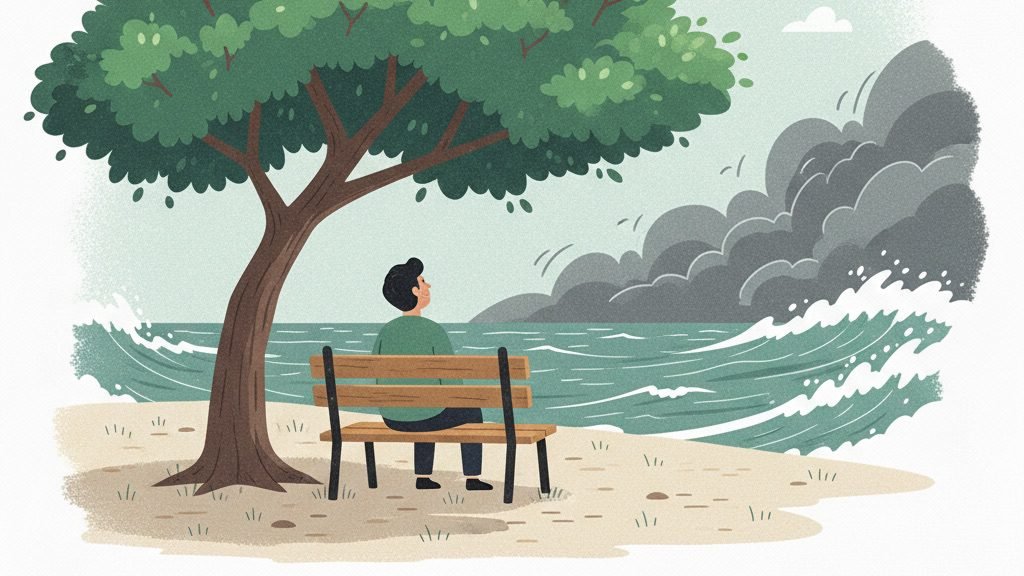
Emotional Safety
What this looks like:
A surge hits in the afternoon. The first sensation is physical, but the second wave is mental: “This means I’m back to zero. This will ruin the day. I can’t do this again”. The chest tightens, your focus locks onto the symptom, and everything else disappears.
Then there’s another version: the physical signal is still there, but one’s inner response is more stable. You can name what’s happening without adding a verdict. You can keep the next choice small and clear. Ten minutes later, you’re still activated, but you’re no longer spiraling.
Emotional safety looks like having enough composure inside to keep your dignity and direction, even when symptoms rise. In pain science terms, this is a shift in threat appraisal plus improved emotion regulation: sensations can be present without being treated as evidence of danger. That change matters because threat appraisal shapes protective output – attention, tension, avoidance, and stress physiology – and those responses can amplify pain and reduce capacity.
Meaning and threat appraisal
Many people carry an extra layer of danger-meaning during symptoms: “This means something is wrong. This will spiral. I won’t manage today”. Those interpretations are understandable and they amplify threat appraisal, which amplifies protective responses.
Calm capacity grows when you build a different relationship with sensation; one that communicates manageability.
This is the mechanism behind pain reappraisal approaches such as Pain Reprocessing Therapy (PRT): you learn to reclassify certain pain signals as non-dangerous when appropriate, and you practice responding in a way that supports safety learning. The core idea is not denial. It is updating the brain’s meaning model so sensations carry less threat value, which can reduce escalation and avoidance. This “meaning change” pathway is part of modern brain-based pain paradigms, but it also needs careful language: sensitization is not the explanation for every pain experience, and education avoids turning mechanisms into certainties.
Regulation skills that reduce escalation
Flooded biology often makes symptoms feel louder. Skills that reduce escalation matter: breath pacing, attention anchors, emotional labeling, and self-talk that lowers urgency. These tools aren’t about positivity; they’re about stability.
In clinical psychology, this maps to emotion regulation training. A practical example is DBT-informed skills adapted for chronic pain: distress tolerance, paced breathing, and labeling internal states reduce dysregulation so the system has more room to settle.
The goal is not to “control pain,” but to reduce the internal surge that makes everything feel urgent and unmanageable. When regulation improves, people often become less reactive to symptoms and more able to stay engaged.
Values-led living and flexibility
Persistent pain can create a narrow “life-space” where only certain activities feel possible.
Psychological flexibility approaches help you expand life again, guided by values and capacity. That expansion becomes actual evidence: pain no longer gets to make every decision. Over time, your system learns that life can hold discomfort and direction at the same time. This is the logic of Acceptance and Commitment Therapy (ACT) in chronic pain.
ACT targets the threat spiral by reducing fusion with scary thoughts, loosening avoidance, and supporting values-based action in small, workable steps. It does not require you to feel safe first. It helps you build a stable relationship with discomfort while you move toward what matters, which often reduces fear-driven limitations and improves day-to-day functioning.
Attention training as support
Mindfulness-based approaches can support this pathway by training steadier awareness. Many people spend large parts of the day monitoring symptoms. Attention training reduces that constant checking and creates moments where the body can regain balance.
In research terms, this is attention regulation: training the ability to notice sensations without immediately narrowing the entire field of attention around them.
Mindfulness-based stress reduction (MBSR) is a structured approach used in chronic pain care. It does not claim that attention “fixes” pain. It helps reduce reactivity and repetitive monitoring, which can lower threat amplification and support steadier recovery after activation.

Social safety
What this looks like:
You’re invited to dinner. You want to go, but the mind is already calculating: the chairs, the drive, the explanations, the pressure to stay, the fear of being judged if you shift positions. Just thinking about it raises tension.
Now picture the same plan with one small change that helps: someone knows what works for you, there’s permission to adjust, the environment fits your capacity, and nobody turns the modulation of your movement into a discussion. You’re still careful, but you feel less alone in it.
This kind of safety is when connections and surroundings reduce load instead of adding it. In pain science terms, this links to social support as a stress buffer and to threat appraisal (how safe or risky a situation feels to the system). When you feel understood and accommodated, it is easier to stay steady. Under pressure or judgment, protective responses rise and regulation becomes harder.
Some frameworks describe this through Polyvagal Theory as “felt safety” (a model of autonomic regulation). Simply put, the nervous system interprets interpersonal signals such as tone of voice, facial expression, predictability, and pace, and moves to a more regulated state when these signals convey “safe enough.”
Practical factors often build safety in chronic pain: knowing what to expect, allowing oneself to adjust, communicating needs clearly, and selecting settings that fit current capacity.
Connection that strengthens capacity
Feeling backed relates to a more manageable emotional load and better day-to-day functioning. In chronic pain research, social support shows its strongest impact on quality of life and mood, and on how much symptoms interfere with life, rather than consistently lowering intensity.
A steady person who understands pacing can make a difference. A community where symptoms don’t require constant explanation can help as well. Presence without pushing solutions often matters.
Gatherings can be a major trigger, and boundaries are often the cleanest way to protect this kind of steadiness.
Collaboration in care
For many people, the strongest relational signal comes from collaborative care.
A clinician or therapist who listens, believes you, and guides step by step can change the entire rehabilitation experience. In research terms, this is the therapeutic alliance: a working relationship that makes follow-through, realistic pacing, and consistency easier. Alliance is not a guarantee, and it does not replace a good plan.
Still, when the relationship is steady and collaborative, it can reduce uncertainty and make hard steps more doable while rebuilding movement and confidence.
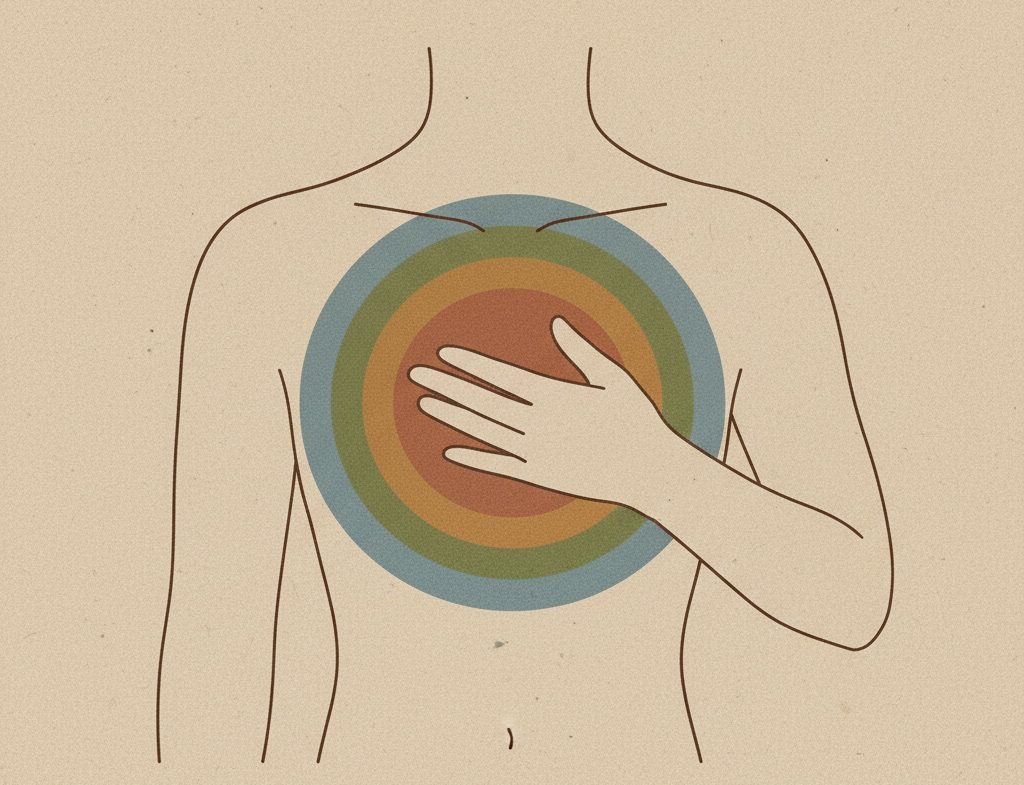
A Trauma-Informed Layer of Safety
What this looks like:
Your day is going fine until a small stressor – an email, a sharp tone, a crowded place – triggers a surge. When sleep is light and the body feels wired, thoughts become absolute: “I can’t handle today.” Pain rises alongside this activation, and settling takes longer than expected.
A trauma-informed lens treats this as predictable stress physiology shaped by experience, not a personal failure. Over long periods of strain, the brain can become quicker to detect danger and slower to downshift, especially when uncertainty is high. Research into PTSD and chronic pain indicates that the connections between them are frequently indirect, manifesting through behaviors such as catastrophizing and a depressed mood, rather than a straightforward cause-and-effect relationship.
This approach meets reactivity with structure and respect, so the internal network learns it no longer needs to run on constant alert. Even without a formal label, naming how prolonged stress increases alarm sensitivity can make safety in chronic pain easier to build.
The Three Pillars of Sensitivity
Vulnerability: a body staying on high alert through vigilance and rapid activation. In physiology terms, this can look like a narrower window for returning to baseline.
Interpretation: meaning patterns that raise perceived risk, such as catastrophizing or hopelessness. In pain science, interpretation matters because danger meaning amplifies protective output and reduces access to calm decision-making.
Collaboration: the stabilizing effect of respectful care, clear pacing, and low-pressure relationships. A steady, collaborative context reduces uncertainty and supports follow-through without forcing intensity.
Strengthening Stability
Sensitivity often shows up as sleep disruption, tension, and difficulty settling after activation.
A history-informed approach responds by prioritizing choice, pacing, and composure, because these are direct inputs to nervous system learning. The aim is not to claim trauma “causes” persistent pain or to make every symptom about the past. The aim is to make today’s responses more predictable and more manageable.
This is where brain retraining principles overlap with trauma-informed care: repeated experiences of manageable activation followed by recovery teach the body that it can return to steadiness again. Over time, stability strengthens through experiences that feel workable, collaborative, and respectful.

How Safety Becomes Stable Over Time
Protection in chronic pain improves when steadiness becomes consistent. Across many evidence-based methods, the same principles show up:
- Repetition builds capacity. Small, consistent practice creates stronger change than occasional big efforts.
- Endings teach. Experiences that finish with stability are easier to store as workable.
- Choice builds trust. When you decide the pace, pauses, and finish, the body learns you’re in charge.
- Supportive context strengthens learning. Practice in a grounded environment lands deeper.
- The pathways reinforce each other. Movement encourages confidence, emotional composure reinforces action, connection builds both.
If you keep one idea from this guide, let it be this: progress grows through repeated experiences that your system can handle, followed by recovery and steadiness. That’s how learning happens.

FAQs
Pain isn’t just a reflection of what’s happening in your body; it’s a reflection of how threatened your brain feels. Think of it like a high-tech alarm system. If the alarm is screaming, it doesn’t always mean someone is breaking in; sometimes the sensors are just set way too high. Building “safety” is a way of recalibrating those sensors,well worn so the alarm stops going off when there’s no actual danger.
It feels permanent because the neural pathways are well-worn, but your brain is constantly updating. If your brain learned to be in pain through repeated “danger” signals, it can learn to be out of pain through repeated “safety” signals. It’s not a magic trick; it’s overwriting old, glitchy code with new evidence that your body is okay.
When you’re active or stressed, your nervous system is in “go mode.” The second you finally relax, your guard drops. That’s usually when the brain decides to “notice” all the signals it was ignoring while you were busy. It isn’t a sign that you’re broken or that relaxation is “bad”; it’s a sign that your body is finally exhaling and processing.
Usually, if the pain is inconsistent, if it moves around, changes intensity for no clear reason, or flares up when you’re stressed, it’s a false alarm. A structural injury rarely cares if you had a bad day at work, but a sensitized nervous system definitely does. Recognizing a spike as “protection” rather than “damage” is the fastest way to signal safety to your brain.
Waiting for a “perfect” diagnosis is actually a major threat signal. Almost everyone has some “wear and tear” on an MRI, whether they have pain or not. Safety doesn’t come from a clean scan; it comes from understanding that your body is strong and that your nervous system is simply over-reacting. You don’t need a guarantee that your body is “perfect” to teach your brain that it’s safe.
Absolutely. Your brain doesn’t have separate buckets for “emotional stress” and “physical danger”; it all goes into one big “threat” pile. If you’re stressed at work or had an argument, your system is already on edge. Suddenly, an ordinary movement like bending over feels like a high-stakes gamble to your brain. Safety is holistic; when you settle your emotions, you’re actually making it safer for your body to move.
Constant “checking in” on your pain is actually monitoring for danger, which keeps the brain on high alert. If you’re checking to see if it’s still there, you’re telling your brain that the pain is a threat. Safety is about moving your attention toward things that feel neutral or good. You aren’t “ignoring” the pain; you’re just showing your brain that there are other, more important things to focus on.
Your “thinking brain” and your “survival brain” speak different languages. You can tell yourself you’re fine all day, but your nervous system is still operating on old, fearful data. You have to show your body safety through physical experience: moving a bit, breathing through a sensation, and proving to your muscles that nothing exploded. The bracing is just a habit; it takes repetition to convince the body it can finally let go.
Forcing yourself to “think positive” can actually feel like a threat because it’s dishonest. Safety is about neutrality. It’s the difference between: “This is a disaster” and “Okay, there’s that sensation again; it’s uncomfortable, but I’m okay.” You aren’t trying to force a smile; you’re just trying to be a little more curious and a little less terrified of the sensation itself.
Pleasure is the biological opposite of threat. When you’re genuinely enjoying a meal, a conversation, or a sunset, your brain cannot simultaneously be in a state of high-alert emergency. These moments are “safety signals” that tell your nervous system it’s okay to stand down. Pleasure isn’t just a luxury; it’s a vital part of teaching your brain that the world isn’t a dangerous place.
You don’t need to give a medical lecture. Social safety is simply about lowering the load on your system. It’s okay to say, “I need to sit in this specific chair because it helps my body stay calm.” When you stop worrying about being judged or having to “act normal,” your brain relaxes. A relaxed brain is a brain that doesn’t feel the need to scream at you with pain.
Pain fluctuates; that’s just how the nervous system works. A flare-up isn’t a “setback” or a sign that you’ve lost your progress; it’s just your overprotective brain having a jumpy moment. Progress isn’t the permanent absence of pain; it’s the absence of fear when the pain shows up. If you can meet a flare with a shrug instead of a spiral, you’ve actually won.
When you’re in a massive flare, your brain is in a “danger storm.” That is not the time to try and “fix” it or do deep mental work. The goal is pure comfort: a heating pad, a distraction, or a quiet room. You aren’t failing; you’re just waiting for the storm to pass so you can eventually get back to the work of teaching your brain it’s safe.
Resources/Read more
The way out by Allan Gordon, Alon Ziv
Movement safety + pacing (patient handout) – NHS
Chronic primary pain (whole-person framing + trauma/stress mention) – NHS England
Pain, Mind, and Movement (threat/stress can amplify pain; calming strategies help) – IASP
If you got this far,
Get Support in Your Inbox
Subscribe to the newsletter and let me help you turn confusion into clarity. The PDF I have prepared is a guide that will help you organise all the elements of your condition: symptoms, treatments and impact, so you can understand your pain behaviour. This is truly important for explaining it to healthcare professionals, loved ones and yourself.“Clinical Clarity Workbook – A map for precise diagnosis“
Until next time,
Alina